




When considering a metal roof for a home in coastal New Jersey, understanding the cost factors is essential to make an informed decision. Metal roofing has gained popularity due to its durability, energy efficiency, and resistance to harsh weather conditions commonly experienced along the coast. The overall expense of installing a metal roof in this region depends on several variables including material type, roof size, labor costs, and additional features such as insulation or coatings designed for salt air protection.
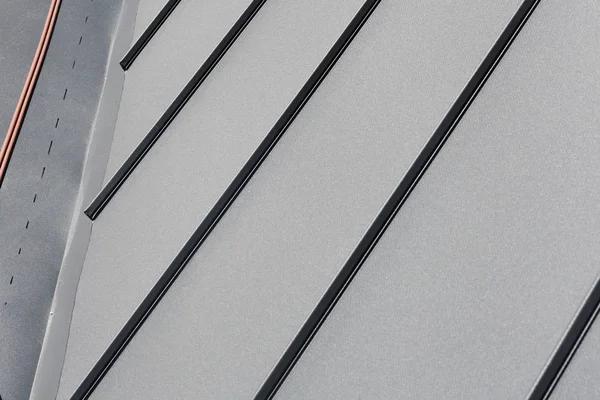
The price per square foot for metal roofing materials typically ranges from $5 to $12. This wide range reflects differences between basic steel panels and premium metals like copper or zinc. Steel is often favored for coastal homes because it offers a good balance between affordability and corrosion resistance when properly coated. Aluminum is another common choice since it naturally resists rusting in salty environments but tends to be slightly more expensive than steel options. Copper roofs are the most costly; however, they provide exceptional longevity and aesthetic appeal that may justify the investment for some homeowners.
Labor costs also influence the total price significantly in coastal New Jersey due to local market rates and the complexity of installation on sloped or irregular roofs. On average, professional installation can add $3 to $7 per square foot depending on contractor experience and project scope. Additionally, removing an old roof before installing metal can increase expenses by several thousand dollars if necessary.
Environmental factors unique to coastal areas affect both material selection and maintenance needs. Salt air accelerates corrosion if protective finishes are not applied correctly or maintained over time. Therefore, many contractors recommend specialized coatings or paint systems that extend the lifespan of metal roofs exposed to ocean breezes and humidity levels typical of New Jersey’s shore communities.
Homeowners should also consider potential savings from energy efficiency when evaluating upfront costs. Metal roofs reflect solar heat better than asphalt shingles, which can reduce cooling bills during hot summers common near the coast. Some insurance companies offer discounts as well because metal roofs withstand wind damage better than traditional roofing materials used in hurricane-prone regions.
In conclusion, while initial expenditures for a metal roof cost in coastal New Jersey may be higher compared with conventional options like asphalt shingles, long-term benefits such as durability against saltwater corrosion and lower maintenance often justify these costs. Prospective buyers should obtain multiple quotes tailored specifically for their property’s size and condition while ensuring selected materials meet standards suitable for maritime climates prevalent along this part of New Jersey’s coastline.