





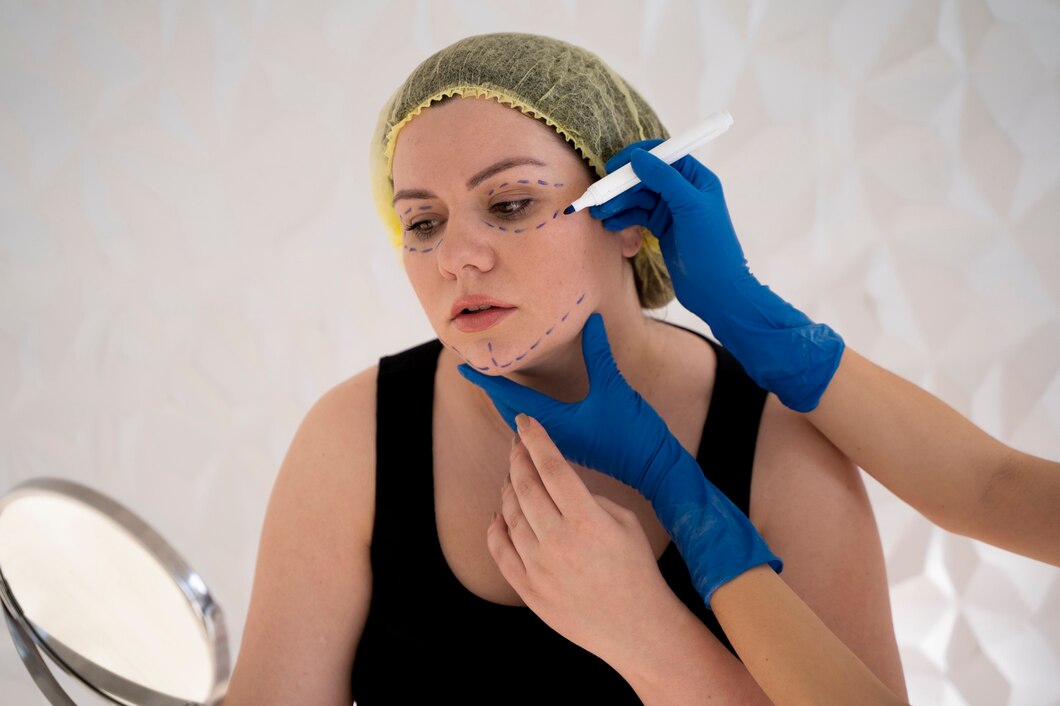
Peptides are short lengths of amino acids that may affect biological signaling. A number of peptides are under study, as they might be used in skin remodeling and cellular responses during tissue repair. GHK-Cu BPC-157 and TB-500 are used as a research-use combination in the GLOW peptide stack. It has been specifically in the context of collagen-related signaling and extracellular matrix remodeling that GHK-Cu has come into the spotlight of scientific attention. BPC-157 and TB-500 are studied primarily in laboratory and animal models of mechanisms that involve tissue recovery, cell movement, and blood-vessel formation. Nonetheless, these results do not demonstrate that the stack combination has the same impact on humans.
How the GLOW Peptide Stack Is Studied
The glow peptide stack per Plastic Surgery Key is defined as a mixture that is aimed at research as opposed to a medically proven treatment. GHK-Cu is explored in correlation with the collagen and elastin pathways, whereas BPC-157 is analyzed in experimental models of repairing soft tissues and inflammatory signaling. TB-500 is linked to a study of thymosin beta-4-mediated cell migration and tissue repair. Scientists hence see the three compounds as parallel research studies and not an established regenerative therapy. Notably, there is still largely a dearth of human clinical evidence in favor of the full combination, which does not back up cries of assured skin rejuvenation or more rapid healing.
What Tissue Repair Research Really Shows
These compounds have various biological targets, which explains the potential interest in them. Collagen and extracellular matrix signaling are important to skin structure and recovery. Wound repair is also related to cellular migration and vascular processes. Laboratory studies may aid scientists in comprehending these processes, yet the research in the laboratory cannot readily be converted into effective or safe therapy for patients. Experimental conditions, compound purity, and study design also can result in a variation of the research outcomes. A satisfactory level of clinical evidence is lacking to determine the safety, effectiveness, or proper medical use of the entire GLOW mixture.
A Research Area That Still Needs Clinical Evidence
Science behind tissue repair using peptides is still developing. Having individual compounds with interesting biological activities does not necessarily mean that the entire stack will also be biologically interesting, and it will be required to test the stack fully before reaching any worthwhile health or cosmetic conclusions. The glow peptide stack per Plastic Surgery Key, as such, must then be regarded as an idea in research as opposed to a proven regenerative form of treatment. These are not listed by the given reference as having approval to be used personally or as a cosmetic. Eligible and reliable evidence should be debated with a healthcare professional prior to the use of the peptide-based treatment and not on research-level products.