




Modern roofing technology has significantly transformed how roofing contractors approach their work, enhancing efficiency, accuracy, and safety. By integrating advanced tools and techniques into their daily operations, these professionals can deliver higher quality results while reducing time and labor costs. One of the key technological advancements in roofing is the use of drones for roof inspections. Drones equipped with high-resolution cameras allow contractors to capture detailed images and videos of roofs without physically climbing on them. This not only improves safety by minimizing the risk of falls but also provides a comprehensive view that helps identify potential issues such as leaks, damaged shingles, or structural weaknesses more accurately than traditional methods.
In addition to drones, modern roofing contractors utilize software applications designed specifically for project management and estimation. These programs enable precise measurements from aerial photos or satellite imagery, allowing contractors to calculate material needs and costs with greater accuracy. learn the facts ability to generate digital blueprints streamlines communication between clients, suppliers, and workers by providing clear visual plans that reduce misunderstandings during installation or repairs. Moreover, some software solutions incorporate weather forecasting tools that help schedule projects at optimal times, avoiding delays caused by unexpected rain or wind.
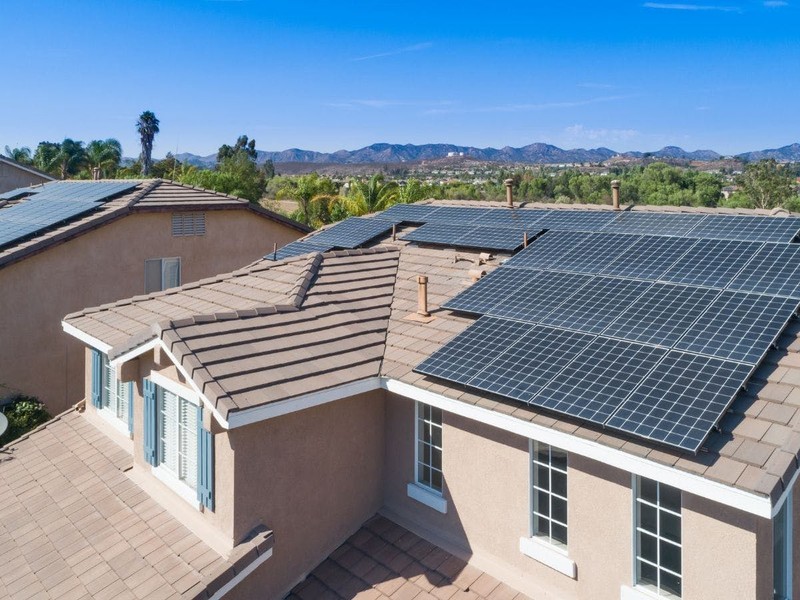
Another important innovation is the adoption of advanced materials engineered for durability and energy efficiency. Contractors now have access to synthetic underlayments that offer superior water resistance compared to traditional felt paper. Cool roofing materials reflect more sunlight, reducing heat absorption and lowering cooling costs for homeowners. Additionally, solar shingles integrate photovoltaic cells directly into roof tiles so buildings can generate electricity without compromising aesthetics.
Safety has also improved through wearable technology like smart helmets equipped with sensors that monitor environmental conditions such as temperature or hazardous gases on site. These devices alert workers promptly if dangerous situations arise while performing tasks at height or in confined spaces.
Furthermore, 3D modeling technology enables contractors to create virtual representations of roofs before beginning physical work. This allows for thorough planning regarding drainage systems or ventilation placement which enhances overall building performance.
By leveraging these modern technologies-drones for inspection; specialized software for measurement; innovative materials; wearable safety gear; and 3D modeling-roofing contractors improve precision while maintaining high standards of workmanship throughout each phase of a project’s lifecycle. As technology continues evolving rapidly within this industry sector it becomes increasingly essential for professionals who want competitive advantages through smarter processes combined with enhanced client satisfaction levels achieved via transparency along every step from initial assessment through final installation completion stages on any residential or commercial property they serve today.