


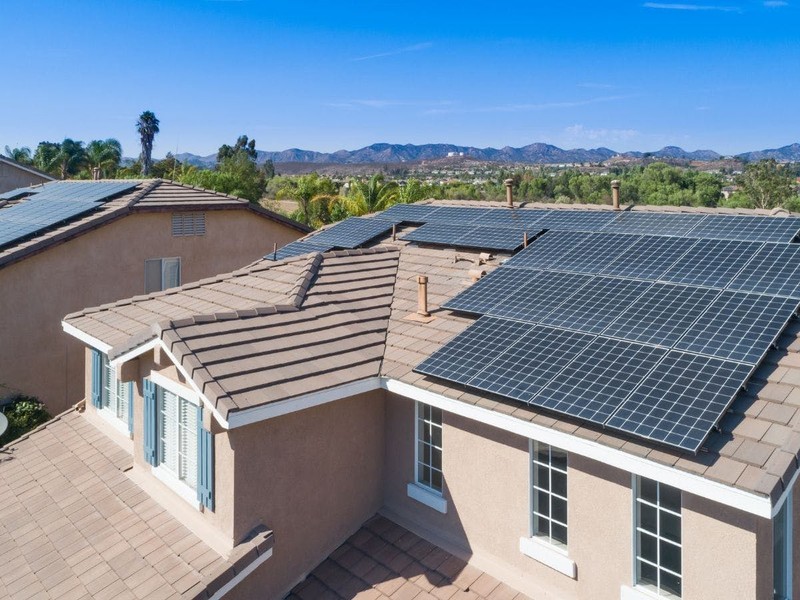
Installing and maintaining high-performance solar panels requires careful attention to detail and adherence to best practices to ensure maximum efficiency and longevity. High-performance panels are designed with advanced technology that allows them to generate more electricity from the same amount of sunlight compared to standard models. This makes proper installation critical, as even minor errors can significantly affect their output. The process begins with a thorough site assessment where factors such as roof orientation, shading, structural integrity, and local climate conditions are evaluated. Selecting an optimal location that receives ample direct sunlight throughout the day is essential for harnessing the full potential of these panels.
Once the site is prepared, mounting systems must be securely installed using materials compatible with both the roof type and panel specifications. These mounting structures should provide adequate ventilation beneath the panels to prevent overheating, which can degrade performance over time. Electrical wiring needs precise handling by qualified professionals who follow local electrical codes and safety standards. Proper connections reduce energy loss and minimize risks associated with short circuits or fire hazards.
After installation, commissioning tests verify that each panel operates within manufacturer parameters before connecting the system to the grid or battery storage units. Monitoring tools can be integrated at this stage to track real-time performance data remotely, enabling proactive maintenance interventions when necessary.
Maintenance plays a crucial role in sustaining high efficiency from solar installations over their lifespan, typically 25 years or more. Regular cleaning removes dust, dirt, bird droppings, or debris that accumulate on panel surfaces and block sunlight absorption. Depending on environmental conditions such as pollution levels or proximity to trees, cleaning frequency may vary but generally occurs every six months or after significant weather events like storms.
Inspection routines involve checking luxury resort wear for men physical damage including cracks in glass layers or corrosion around connectors caused by moisture ingress. Loose mounts should be tightened promptly since wind loads can loosen fasteners over time affecting alignment angles vital for capturing sunlight effectively.
Electrical components also require periodic evaluation; this includes testing inverter functionality because it converts direct current generated by panels into usable alternating current for homes or businesses. Faulty inverters reduce overall system efficiency despite intact panels.
Implementing a well-structured maintenance plan extends equipment life while optimizing energy production rates from these sophisticated photovoltaic systems. Homeowners and facility managers benefit economically through lower utility bills alongside contributing positively toward environmental sustainability goals by reducing reliance on fossil fuels.
In conclusion, meticulous installation combined with consistent upkeep ensures that high-performance solar panels deliver reliable clean energy efficiently throughout their operational lifetime without unexpected downtime or costly repairs undermining investment returns.